
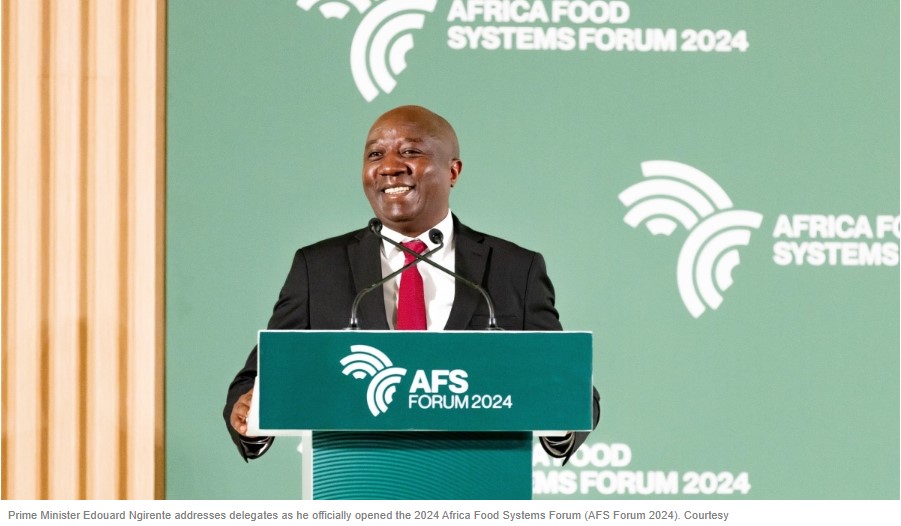
The African Food Systems Forum 2024 (AFS Forum), held at the Kigali Convention Center in Rwanda from September 2 to 6, 2024, brought together approximately 5,000 participants from over 70 countries under the theme “Innovate, Accelerate, and Scale: Delivering Food Systems Transformation in a Digital and Climate Era”. This landmark event gathered key representatives from governments, the African Union (AU), farmers’ organizations (FOs), the private sector, and development partners. The forum was officially opened by Rwandan Prime Minister, Dr. Edouard Ngirente.
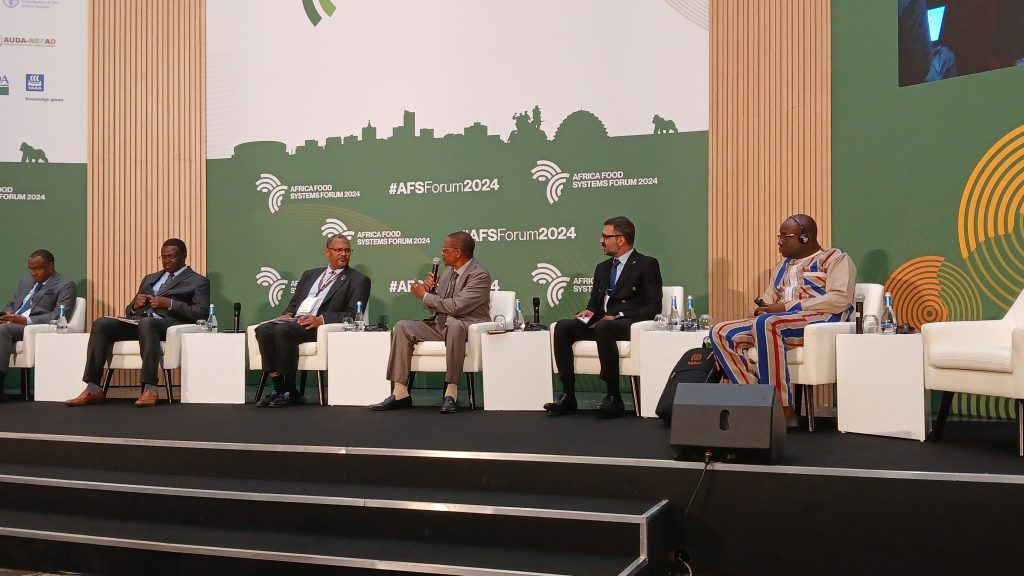
Various side events were organized to provide farmers with crucial information and connect them with financing opportunities. Among these was the Farmers Forum, organized by the Pan-African Farmers’ Organization (PAFO) in collaboration with AGRA, with the main objective of giving smallholder farmers a platform and placing them at the center of agricultural policy discussions in Africa.
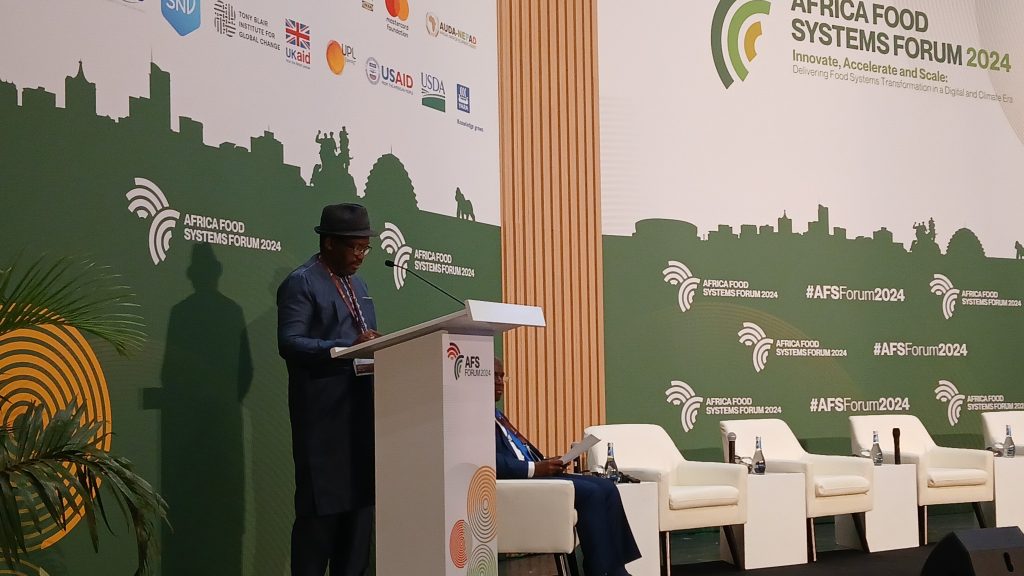
The discussions and exchanges at the Farmers Forum highlighted key themes, shedding light on the crucial challenges and solutions needed to transform Africa’s food systems.
Highlights of the Farmers forum
1. Climate Finance
– Climate finance is crucial as the world faces dramatic environmental changes. Effective climate finance is essential for mitigating and adapting to climate change, ensuring the well-being of both current and future generations.
-While support from governments and development partners is acknowledged, a significant gap remains. Most climate finance is allocated to governments and large organizations, with a smaller portion reaching farmers and farmer organizations (FOs), limiting the potential for impactful results.
-Development partners, particularly the International Fund for Agricultural Development (IFAD), are committed to continuing support for climate finance programs and projects, with plans to increase investments according to their respective regulations and guidelines.
-Engaging the youth in agriculture remains a challenge. Developing strategies to motivate and involve young people in farming activities is critical for the future of the agricultural sector.
2. Sustainable Food Systems in Africa and the Role of Smallholder Farmers
-To ensure that the voices of farmers are heard, farmers and FOs should be at the center of political dialogues concerning food safety and security. This involves consulting with them before adopting related policies and laws.
-FOs have historically played a crucial role in influencing agricultural policies and creating platforms at national, regional, and continental levels. It is important to intensify efforts to advance the Agenda 2063 of the African Union.
-Given the rapid changes in the world, timely dissemination of agricultural information is essential for farmers, especially those in rural areas with limited access and infrastructure.
-Africa has abundant resources—human, natural, and land—that can support smallholder farmers. The continent should leverage these resources to overcome poverty and achieve food sufficiency.
-Supporting farmers and FOs is a collective responsibility. Coordinating and using available resources effectively is crucial.
-Social conflicts and wars pose significant challenges to food sovereignty, security, and safety. Strong political will and actions are needed to address and mitigate these threats.
-African development and commercial banks, in collaboration with central banks, should make loans more accessible to all farmers, with minimized interest rates tailored to their capacities.
-There should be clear mechanisms to enhance the recognition of FOs at national, regional, and continental levels.
-The representation of women and youth in agricultural decision-making bodies should be balanced according to the specific needs and contexts of each country and region.
The Farmers Forum highlighted key priorities to strengthen smallholder farmers and advance the Sustainable Development Goals (SDGs) and Africa’s Agenda 2063. Ongoing support is crucial in the following areas:
–Providing more space for farmers to influence agricultural policies.
-Increasing access to climate finance.
-Strengthening farmers’ technical capacities.
-Boosting investments in family farming.
-Actively engaging and motivating youth and women in agriculture.
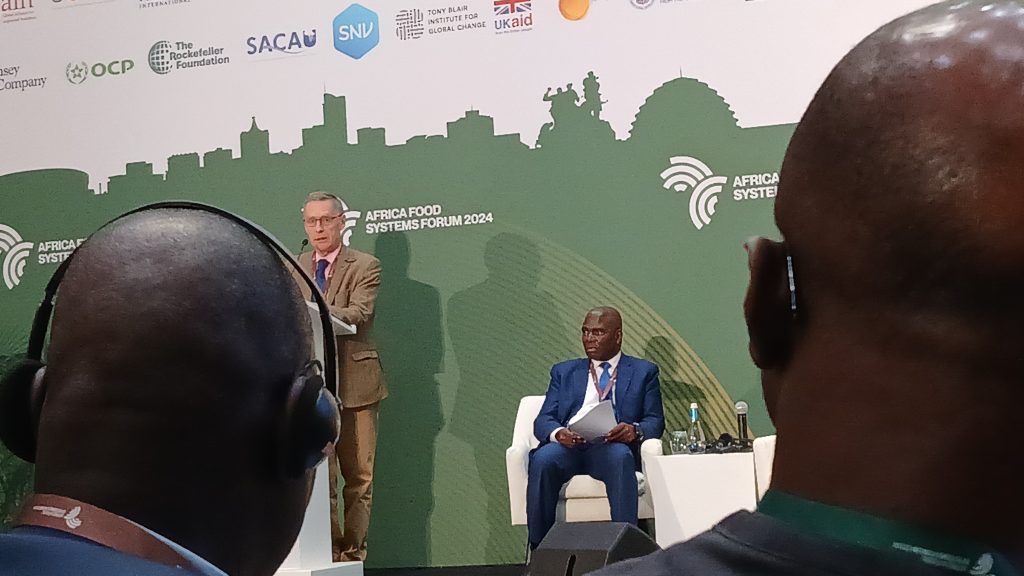
PAFO and its members appreciates AGRA for having organized African Food System Forum and farmers’ forum in particular. Furthermore, we recognize the support and efforts of all development partners at national, regional, continental and global scenes who have contributed positively and have actively accompanied farmers and farmer organizations.